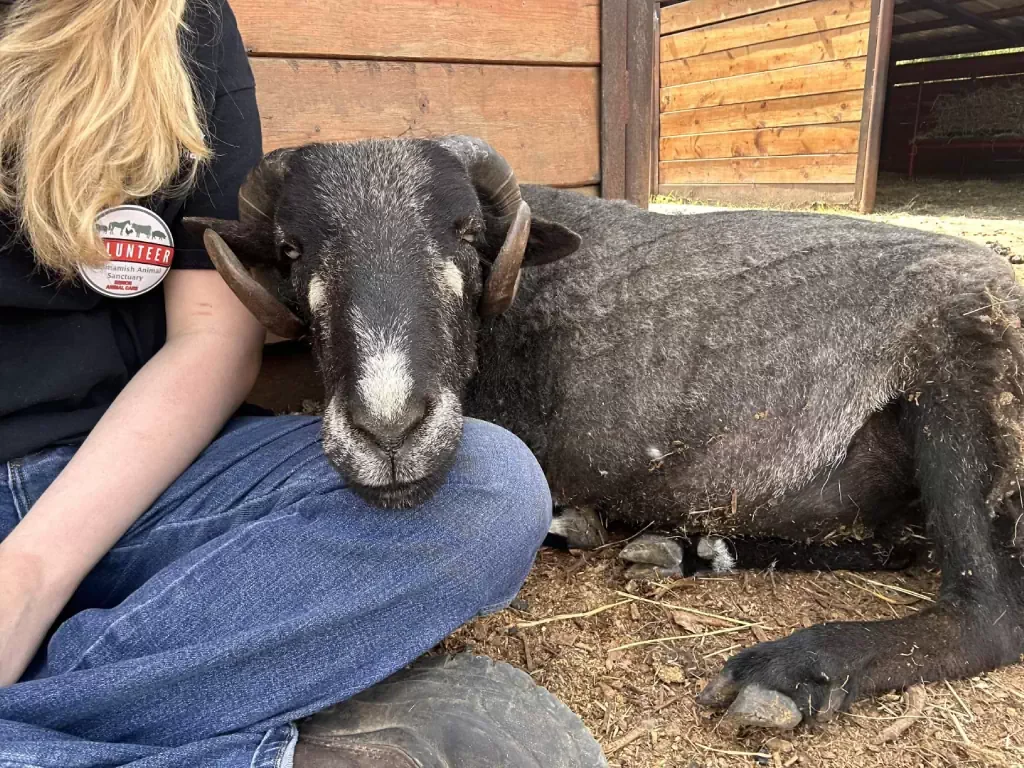
Get your cuddles volunteering at the Sammamish Animal Sanctuary
Key Takeaways:
Volunteering at an animal sanctuary is different from shelters or rescues — the animals are permanent residents, not animals waiting to be rehomed, which changes everything about how you care for them
No experience with animals is required to start; the skills that matter most are reliability, patience and a willingness to follow the animals' lead
Sammamish Animal Sanctuary near Seattle welcomes individual volunteers, teens with experience, families and corporate groups
Minimum commitment is three months, because the animals build trust with consistent faces and a rotating door of strangers doesn't serve them well
Getting started takes three steps: an application, a profile in the scheduling app and completing orientation
Volunteering at an animal sanctuary is one of those experiences that sounds casual until you're in it. Then it becomes something you block off your calendar for and talk about on Monday morning.
This guide covers everything you need to know — what sanctuary volunteering actually involves, what it requires, who qualifies and how to get started at Sammamish Animal Sanctuary in Renton, Washington.
Why People Volunteer at Animal Sanctuaries
People come for the animals. They stay for everything else.
That's how most longtime volunteers describe it. You sign up because you love animals and want to spend time with them. Then a few months in you realize you've also built a community, learned more about patience and nonverbal communication than you expected, and developed a genuine relationship with 60 plus animals who recognize you and respond to you differently than they respond to strangers.
That's not nothing.
The Difference Between Volunteering at a Shelter vs a Sanctuary
At a shelter, the goal is placement. Animals come in, they get care, they move on to a home. The work is important and the turnover is constant. You form attachments knowing they're temporary, which is part of what makes shelter volunteering emotionally demanding.
At a sanctuary, the animals don't move on. They arrive, they stay and this is where they live for the rest of their lives. Sammamish Animal Sanctuary calls itself a "last stop sanctuary." The phrase on the sponsor page says it directly: "You're home. We've got you. For life."
That permanence changes the nature of the work. You're not preparing an animal for a new family. You're being part of the family it already has. The relationships you build with the residents are real, ongoing and reciprocal. Amelia knows the difference between a regular volunteer and a first-time visitor. So does Willy. So does every goat in the pasture, especially the ones who have figured out which volunteers are most likely to give them an extra scratch behind the ears.
What You Actually Get Out of It
The obvious answer is time with animals. But what volunteers consistently report runs deeper than that.
There's something about working quietly alongside an animal that asks nothing of you except presence. No performance, no productivity metrics, no inbox. Sheriff Wally doesn't care about your Monday. The chickens are indifferent to your to-do list. The goats are exclusively focused on whether you have a treat and whether you are, in their assessment, a person worth investigating.
Volunteers also report improved patience, better stress management and a strong sense of community with other volunteers. Sanctuary work tends to attract people who show up because they mean it, which makes for good company.
And the practical side is real too. You learn animal handling, how to read body language in different species, safe feeding practices, basic animal health monitoring and facility maintenance. These are transferable skills, and many volunteers who came in knowing nothing leave with genuine hands-on knowledge.
What to Expect Before You Start
Getting started at most sanctuaries is not complicated, but it does involve a few steps that exist for good reasons.
Applications and Onboarding
At Sammamish Animal Sanctuary the process starts with an application. It asks for your contact information, your availability and your preferences for what kind of work you want to focus on. Once submitted, you'll hear back within a few days.
From there you create a profile in VolunteerMark, the app used to manage scheduling, and review and sign a liability waiver. Print the waiver and bring it to your orientation.
Orientation and Training
Your first shift includes training. You will not be dropped into a pasture alone on day one and handed a feed bucket. There's an orientation process that covers animal handling protocols, safety expectations, how the scheduling system works, what each pasture needs and how to interact with guests if you're doing a guest-facing shift.
The training is hands-on, not a lecture. You learn by doing it alongside someone who already knows what they're doing.
Scheduling Your First Shift
Once your profile is set up you schedule your shifts through the VolunteerMark app. Your first shift will include training, so pick a time when you have a full window and aren't rushing off somewhere after.
After that, shifts are yours to manage through the app. The system is straightforward and gives you visibility into what's available and what the sanctuary needs most.
What Volunteers Do at an Animal Sanctuary
The short answer: a lot of things, and they're more varied than people expect. At Sammamish Animal Sanctuary, you can do any of these that interest you:
1. Animal Care: Feeding, Cleaning and Checking In on Residents
This is the core of the work. Animals eat on a schedule, their spaces need to stay clean and someone needs to be paying attention to how each resident is doing on any given day.
Morning shifts at Sammamish Animal Sanctuary involve feeding and cleaning pastures. Hay goes out, water gets refilled, spaces get cleared. Each species has its own needs and preferences, and part of what you learn early is the difference between what goats need and what horses need, what the ducks are like in the morning versus the chickens, and how to move through each space without stressing the animals.
It's physical work. You'll use a wheelbarrow, a rake, a hose and your hands. You'll also get to spend unstructured time with animals who know and trust the people who show up regularly, which is the part nobody mentions in the job description but everyone talks about once they've experienced it.
2. Guest Interaction: Welcoming Visitors and Answering Questions
Sammamish Animal Sanctuary is open to visitors Tuesday through Sunday by reservation, and those visitors often have questions. A lot of them.
Guest-facing volunteers handle check-in, greet arriving families, walk people through the pasture guide signs and help keep visits educational and calm. You're not a tour guide in a scripted sense. You're more of a knowledgeable presence that helps people understand what they're seeing and how to behave around the animals.
Kids especially benefit from a volunteer who can crouch down, say "this is Amelia and here's her story" and watch the whole dynamic of that child's visit shift. It's one of the more rewarding parts of the work even though it sounds simple.
3. Event Support: Helping With Special Events and Camp Days
The sanctuary runs goat yoga classes, summer camp sessions, birthday parties, field trips, movie nights and founder's tours throughout the year. All of these need hands.
Event volunteers make sure things run smoothly: guests know where to go, animals are safe and comfortable, the schedule stays on track and everyone has what they need. For camp days specifically, student leader volunteers work directly with camper groups, which is a more involved role that has its own application process.
If you have experience with kids or event coordination, event volunteering is worth flagging on your application. The sanctuary actively looks for people who can hold a room and keep things moving without the animals getting rattled in the process.
4. Grounds and Facility Work: Keeping the Property Running
Five acres of farm property requires constant upkeep. Fencing, painting, gardening, organizing, seasonal projects, general maintenance. This is the work that doesn't always make the Instagram feed but is what keeps the sanctuary functional and safe for both animals and visitors.
Group volunteer days, which are primarily designed for corporate teams, focus heavily on this kind of work. But individual volunteers contribute here too, especially if facilities work is something they're comfortable with and want to do.
Volunteer Shift Options and Time Commitments
Sammamish Animal Sanctuary runs three daily shift slots and asks for a minimum of three months.
Morning, Midday and Evening Shifts
Morning shifts run 8:00 to 11:00am and cover feeding, cleaning and early guest interaction. These are the highest-need shifts, especially on weekdays. If you have daytime flexibility, this is where the sanctuary most wants help.
Midday shifts run 11:00am to 2:00pm and lean toward grooming, cleaning and guest interaction as visitor traffic picks up. Evening shifts run 1:00 to 4:00pm and include afternoon feeding and a final cleaning pass before the property closes.
All three shifts involve some combination of animal care and guest interaction depending on the day and what's needed.
Minimum Commitment: Why Consistency Matters for the Animals
Three months is the minimum commitment and it's not arbitrary. Animals build trust with familiar people. A rescue animal that has been through a hard situation does not automatically warm up to a stranger. That takes time, repetition and showing up.
When volunteers cycle through quickly, the animals experience a constant stream of unfamiliar faces. That's not restful for them and it limits the depth of care volunteers can provide. A volunteer who has been coming for three months knows which goat has been off their feed. Knows that Sheriff Wally is having a good day when he stations himself near the gate. Knows that the chickens need a slower, quieter approach than the ducks do.
That knowledge doesn't come from one shift. It comes from showing up.
Group and Corporate Volunteer Days
Corporate teams and community groups can book volunteer days that run two to three hours and focus on facility projects: gardening, painting, barn care, organizing and seasonal work.
These days don't require the three-month commitment and are a good entry point for groups who want to give back without a long-term schedule. They also give people a real feel for the sanctuary before some of them decide to come back as individual volunteers.
Booking a group day means proposing a couple of date options and confirming through Jen at jen@sammamishanimalsanctuary.org.
Age Requirements and Who Can Volunteer
The sanctuary has clear age guidelines and they exist to protect both the animals and the volunteers.
Adult and Independent Volunteers
Volunteers 16 and older can apply to volunteer independently. This is the standard entry point and covers the full range of shift types: animal care, guest interaction and event support.
Teen Volunteers: What Age Is Allowed and Under What Conditions
Ages 14 to 16 are considered on a case-by-case basis for volunteers who can demonstrate substantial prior experience with animals. This isn't a hard no, but it's also not automatic. If you're applying for a teen in this range, the application is the place to spell out what experience they're bringing.
Ages 12 to 14 can volunteer if they are accompanied by an adult at all times. There's no independent role for this age group, but there's genuine participation available with the right setup.
Families and Kids Who Want to Volunteer Together
Family volunteer arrangements work within the 12-and-up framework with adult accompaniment. If you want to bring a younger child, a visit or a summer camp session is a better fit than a volunteer shift.
Summer camp runs for kids ages 4 to 12 and is itself a form of hands-on engagement with the animals, just structured differently than a volunteer role.
What Makes a Good Animal Sanctuary Volunteer
This is the part people are sometimes surprised by.
No Experience Needed: What You Learn on the Job
You do not need to have worked with farm animals before. The sanctuary trains you. What they can't train is reliability, patience or genuine interest. Those you bring.
If you've never been around a goat or a pig or a llama, that's fine. Most people haven't. The learning curve is real but manageable, and the sanctuary is set up to bring new volunteers in at a pace that makes sense.
The Traits That Matter Most Around Rescue Animals
Calmness. Quiet confidence. Patience with unpredictability. Rescue animals have histories you don't always know in full. An animal that arrives skittish around certain movements or sounds has a reason for that, even if the reason isn't in any documentation. Reading that, respecting it and moving accordingly is a skill you develop with time.
The other trait that matters is attentiveness. Noticing when something is off. When an animal that usually runs to the gate doesn't come over. When a resident who is normally eating well leaves food behind. Those observations, reported to the barn manager or sanctuary manager, are part of how animals get the care they need before a small issue becomes a bigger one.
What Not to Do: Common Mistakes New Volunteers Make
Moving too fast is the most common one. Sanctuary animals are not petting zoo animals. They have not been bred or conditioned for constant human handling. Approaching too quickly, reaching over an animal's head, making sudden movements or loud noises, these all register as threats even when the intention is affection.
The second most common mistake is feeding outside of the designated treats and schedule. It seems harmless. It isn't. Animals can be harmed by the wrong food and even the right food at the wrong time disrupts their routine in ways that can cause digestive issues.
The Pasture Guide signs at each pasture exist to prevent both of these. Read them before you enter. First-time visitors and first-week volunteers alike.
How to Volunteer at Sammamish Animal Sanctuary Near Seattle
Here's exactly how to get started.
What the Application Process Looks Like
Head to the volunteer page for Individuals (or Groups if you would like to make it a group event) and submit your application. It covers your contact information, availability and your preferences for shift type and focus area. Responses typically come back within a few days.
From there you get set up in VolunteerMark, review and sign the liability waiver and bring the printed waiver to your orientation.
How Shifts Are Scheduled and Managed
All scheduling happens through the VolunteerMark app. You can see what's available, pick your shifts and manage your schedule from your phone. The app also tracks your hours if you need that for any reason.
No-shows need to be communicated at least 24 hours in advance. First and second no-shows are a warning. A third no-show removes you from the schedule and the admin manager follows up. The policy exists because animals don't get to skip breakfast because someone didn't show up. When a shift goes unfilled, another volunteer or staff member covers it. Giving notice early means someone else can fill it instead.
What to Wear and What to Bring
Closed-toe shoes or boots, always. No sandals, no exceptions. Clothes you don't mind getting dirty, because they will get dirty. Layers work well since the sanctuary is outdoors and Washington weather requires options. A water bottle. Work gloves if you have them, though extras are available on-site.
No outside food for the animals. Treat buckets at the sanctuary are provided specifically for the animals and selected for their health. Even snacks you'd think are harmless can cause problems.
The No-Show Policy and Why It Exists
Three no-shows without notice and you're off the schedule. That sounds strict until you understand that this is a working farm running on volunteers, not a casual commitment. The animals don't adjust their feeding schedule because a shift went uncovered. The other volunteers who do show up end up doing more.
The policy protects the animals, the staff and the volunteers who show up reliably. It's one of the more important things to understand before applying, not because it's punitive but because it reflects the culture of the place: people who are here are here because they mean it.
Beyond Volunteering: Other Ways to Get Involved
Volunteering is one way to support the sanctuary. It's not the only one.
Donating Supplies, Feed and Wish List Items
The Amazon Wish List at the sanctuary covers daily supplies: food, cleaning products, grooming items. Orchard grass hay runs $30 a bale and that cost is climbing. Grange Supply gift cards go directly toward animal feed and bedding. Home Depot and Lowe's gift cards support the maintenance work that keeps the property safe.
The sanctuary receives no government funding and no large corporate donations. Every bale of hay and every bag of feed is donor-supported.
Sponsoring a Rescued Animal
Monthly sponsorships let you support a specific species or a specific animal directly. Rates run from $20 a month for ducks up to $75 a month for cows, horses and pigs. Sponsors receive a special “thank you” from their sponsored animal.
Our Animal of the Month programs highlights one of our amazing rescue animals each month. While they all deserve special recognition, some have special needs that mean extra care and often extra costs. Helping us support these animals means allowing them to lead their best lives without unnecessary suffering or feeling alone.
Corporate Team Building Days at the Sanctuary
Corporate groups can book volunteer days focused on facility projects. These run two to three hours, involve real physical work and give teams a way to give back that feels different from a charity auction or a donation drive.
Frequently Asked Questions
Do I Need Experience to Volunteer at an Animal Sanctuary?
No. Sammamish Animal Sanctuary provides training for all new volunteers. What matters most is reliability, patience and genuine interest in the animals. Prior experience helps but is not required.
How Old Do You Have to Be to Volunteer at a Sanctuary?
At Sammamish Animal Sanctuary, 16 is the standard independent volunteer age. Ages 14 to 16 are considered with demonstrated prior animal experience. Ages 12 to 14 can volunteer with an adult present at all times.
How Many Hours a Week Do Sanctuary Volunteers Typically Work?
That depends on how many shifts you take. Each shift is three hours. Most volunteers take one to three shifts per week. The minimum commitment is three months of consistent participation, not a set weekly hour requirement.
Can I Volunteer at an Animal Sanctuary With My Kids?
Children 12 and older can participate with an adult present at all times. For younger kids, summer camp for ages 4 to 12 and regular family visits are the better fit. Both give kids meaningful time with the animals and can prepare them for a future volunteer role.
What Is the Difference Between a Sanctuary and a Rescue?
A rescue organization takes in animals and works to rehome them. A sanctuary takes in animals and provides a permanent home. Sammamish Animal Sanctuary never breeds, buys or sells animals and does not place them with other families. Every animal that arrives stays for life. That's what makes it a sanctuary.
Come be part of our community. Applications are open and the goats (and their friends) are ready to meet you!